BPC-157 research: injuries, measurements and human trials
The most persuasive animal papers measure function and strength. Published human observations ask different questions, often without a comparison group.
Blood-vessel experiments
In the 2017 blood-flow study, BPC-157 increased vessel density and accelerated recovery of blood supply in rats with hind-limb ischemia, an experimentally restricted blood supply. Cell experiments supported a role for VEGFR2, a receptor involved in new vessel growth. Angiogenesis is the name for that growth.
A 2020 study of isolated rat arteries and vessel cells linked relaxation of the artery to nitric oxide signaling. These are useful pieces of a proposed BPC-157 mechanism of action. I’m unconvinced that pathway names supply a complete explanation: the experiments describe particular preparations, and human responses remain largely unmeasured.
Tendons and ligaments
The detached-Achilles experiment in rats examined collagen arrangement and mechanical properties, including the force needed to break the repaired tissue. BPC-157 improved tendon-to-bone healing and opposed the impairment caused by a corticosteroid. I give a strength measurement more weight than an attractive image of tissue under a microscope.
The cut-ligament study also combined functional, mechanical and microscopic assessments over 90 days. Improvements appeared with intraperitoneal, oral and topical administration. These are the sorts of observations behind searches for BPC-157 benefits and BPC-157 before and after: injured animals were compared with injured controls. Human recovery photographs answer a different, much less controlled question.
Muscle and nerve injuries
In corticosteroid-impaired muscle healing in rats, the investigators reported restored function and improved tissue findings through day 14. A review of striated, smooth and heart muscle experiments includes recovery after the quadriceps tendon was dissected away from muscle. The starting point in these experiments was substantial injury.
The neurological reports are striking. Rats with spinal cord compression injuries recovered function that was followed for one year. A separate rat hippocampal ischemia study reported functional gains at 24 and 72 hours. I’d like these large effects tested more widely by other groups before allowing their size to carry the argument into human care.
BPC-157 gut health research
The bowel-to-skin fistula experiment found faster closure with both parenteral and oral administration in rats. A bowel drug and steroids helped less or made the injury worse. Healing continued after researchers blocked one way the body widens blood vessels.
The persistence of healing despite that intervention is a useful puzzle. It also makes the missing full publication from the human ulcerative-colitis program particularly frustrating. An experimentally created rat fistula and a chronic bowel disease in people involve different clinical questions. The trial’s mention in an animal paper cannot supply the missing human outcomes.
Skin and distant organ injury
The 2021 wound review brings together rodent cuts, burns and diabetic-ulcer models. Earlier rat liver experiments reported less damage after stress, blood-flow or bile-duct obstruction and toxic injury. The broader cytoprotection review connects findings across several organs.
A 2025 rat lower-limb ischemia-reperfusion study examined injury in the liver, kidneys and lungs after blood supply was stopped and restored. Treated animals had less kidney structural damage. The cardiac review describes rat heart-injury models and recruitment of collateral vessels. The common thread is damage followed by an experimental intervention; the studies leave long-term effects in healthy people open.
Human trials
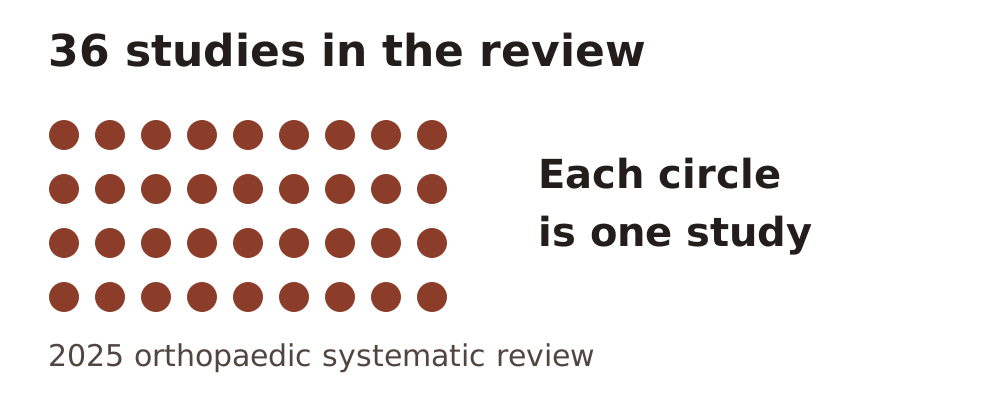
The 2025 orthopaedic systematic review included 36 studies. The human knee-pain series described in the review involved 12 people; 7/12 reported relief lasting beyond six months after an intra-articular injection. There was no untreated comparison group.
In the 2024 interstitial-cystitis pilot, 12 women received BPC-157 in the bladder. Complete symptom resolution was reported in 10 women; symptoms fell by 80% in the other 2. No adverse events were reported. Those outcomes deserve a controlled follow-up; without one, the peptide’s contribution remains uncertain.
A two-person intravenous safety pilot reported no adverse events. It offers a very small early tolerability observation. The 2026 review of repair and pain research calls for comprehensive evaluation before clinical translation. My strongest interest now is in a controlled human study with a clearly measured outcome and enough follow-up to assess harm.
BPC-157 vs TB-500
TB-500 appears beside BPC-157 in many discussions of tissue repair. The evidence covered here establishes no controlled human test of the pair. Accounts of combined use remain anecdotal and carry no clinical proof of an added benefit.
I’m unwilling to add the appeal of one compound to the appeal of another and call the sum an outcome. The 2026 review’s assessment of the limited clinical literature gives ample reason to be cautious about a combined treatment claim. This record supplies no validated human protocol for the combination.
Muscle growth, weight and hormones
The 2014 rat tendon-cell study increased growth-hormone-receptor expression; added growth hormone then produced a stronger proliferative response. That is a local cell-culture finding. It establishes neither a rise in circulating growth hormone nor a testosterone benefit.
The muscle experiments concern injured tissue, while the cytoprotection review discusses animal cancer-cachexia work on muscle wasting. Claims about building healthy muscle or losing body fat need studies designed for those outcomes. No such human benefit is established here.
FDA status and WADA
BPC-157 has no FDA-approved indication. United States law treats it as an unapproved new drug; it cannot lawfully be sold for human use. WADA prohibits it under S0, the category for non-approved substances, at all times in sport. The existing record also documents USADA sanctions for use.
Research availability, drug approval and permission under sport rules are separate practical questions. For an order, unresolved product identity adds another. The safety discussion takes up that uncertainty alongside the biological concerns.